





Digital Loan Origination in India: A Complete End to End Guide for Banks and NBFCs
India’s next phase of MSME credit growth will depend on lenders building faster and more scalable origination infrastructure, especially when India’s MSME credit shortfall stands at nearly ₹30 lakh crore and only 14 to 16% of the country’s 63 million MSMEs currently access formal financing.
MSME credit can scale only when loan journeys become faster, more data led and easier to manage across borrower segments.
Many SMEs already have useful financial signals. They may have GST records, bank transaction history, digital payment data, supplier relationships and stable cash flows. The challenge is that traditional lending processes often make it difficult to read these signals quickly.
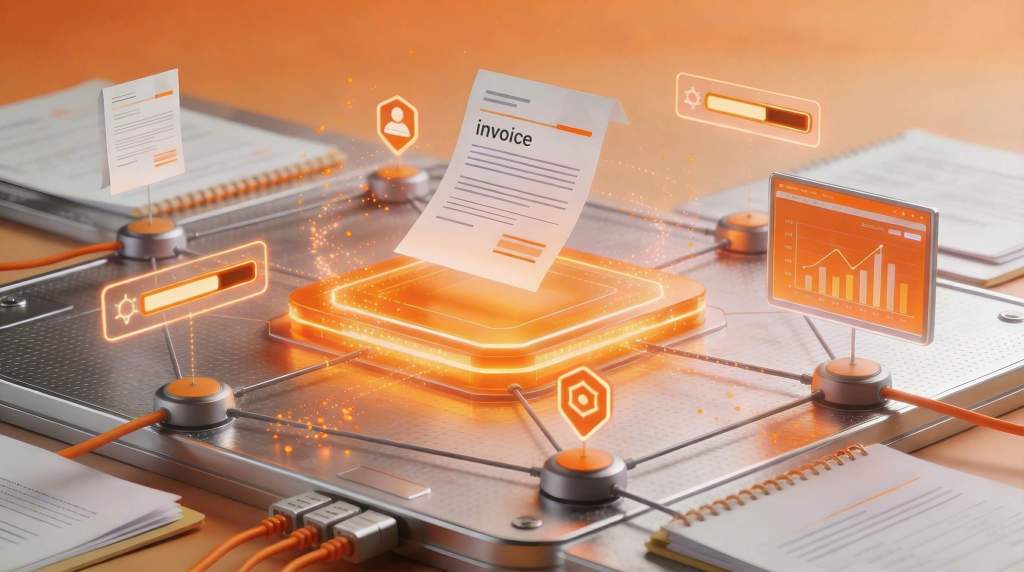
A modern loan origination system solves this by bringing the entire journey into one connected workflow. It helps capture applications, verify borrowers, fetch financial data, assess credit, apply policy rules, generate documents and trigger disbursement with fewer manual steps.
What Is Digital Loan Origination and How Does It Work?
Digital loan origination is the end to end digital process through which a bank, NBFC or lending institution receives, verifies, assesses, approves and disburses a business loan.
A complete SME loan origination journey usually includes:
- Application intake
- KYC and onboarding
- Financial data collection
- Credit assessment
- Underwriting and decisioning
- Sanction and documentation
- eSign and eStamping
- Disbursement
- Post sanction monitoring where required
The goal is simple. Make lending faster, more consistent, more auditable and easier to scale.
This will result in fewer manual handoffs and stronger credit control for banks. And it means a simpler loan journey and faster access to formal credit for MSME’s.
Loan Application Journey: How Digital Origination Reduces Borrower Drop Offs
The digital loan origination journey begins with the application.
This stage matters because many borrowers do not have the time or internal finance teams to complete long forms, upload multiple documents or visit a branch several times.
Digital application journey supports different entry points. These can include a web portal, mobile interface, branch assisted journey, relationship manager led application or embedded journey inside a corporate supply chain platform.
This flexibility is important because India’s MSME base is diverse. A manufacturer in Ludhiana, a distributor in Coimbatore, a trader in Surat and a services firm in Indore may all need credit, but their digital comfort and documentation readiness can be very different.
A strong application stage should include three things.
- Multi Channel Intake
Borrowers should be able to apply through different channels. The backend process should remain the same, whether the application comes through a branch, web form, relationship manager or partner platform.
This prevents data fragmentation and keeps the loan journey consistent.
- Assisted Digital Journeys
Many SMEs still need support while applying. Assisted origination allows a relationship manager or field officer to complete the application digitally on behalf of the borrower.
This keeps the journey digital while making it easier for SMEs that may not be fully comfortable with self serve processes.
- Real Time Validation
The system should check mandatory fields, document formats, identity numbers and basic eligibility rules at the point of application.
This prevents incomplete cases from entering the credit queue and reduces back and forth later.
Long forms, unclear requirements and failed uploads create drop-offs. Every abandoned application is a credit opportunity lost before underwriting even begins.
AI Powered SME Loan Underwriting for Faster and Explainable Decisions
Underwriting is where speed and risk discipline need to work together.
In a manual process, a credit file moves through several queues. A credit officer reviews documents, asks for missing information, spreads financials, prepares a credit note, applies policy checks and sends the case for approval.
This process takes time and can create inconsistency.
A digital loan origination system improves underwriting by bringing data, policy and workflow into one place.
Rules Based Decisioning
The system applies lender defined eligibility rules, policy thresholds, exposure limits, risk grades and product level conditions.
Straight Through Processing
Applications that meet predefined policy conditions can move through automated decisioning. This works well for standard, low risk and repeatable credit products.
Exception Workflows
Applications that fall outside policy thresholds can move into maker checker or senior approval workflows.
The system can highlight the reason for exception. For example, low GST filing consistency, high leverage, insufficient cash flow buffer or adverse bureau behaviour.
AI Assisted Credit Memo Generation
AI can help credit teams summarise borrower data, highlight strengths, flag risks and generate draft credit notes.
The important point is that AI should support credit teams. It should not replace human credit accountability.
For banks and NBFCs, explainability matters. Every score, rule, exception, override and approval should be traceable.
The best origination systems help lenders move faster while making the decision process more transparent.
Benefits of Digital Loan Origination for Banks
Faster Turnaround Time
Digital workflows reduce time lost in document collection, manual checks, credit memo preparation and approval routing.
Lower Cost to Serve
Automation reduces repetitive manual work. Credit teams can focus on complex judgement based tasks.
Better Borrower Experience
SMEs get a simpler journey with fewer branch visits, fewer repeated document requests and faster status visibility.
Stronger Risk Discipline
Digital data, policy rules, audit trails and exception workflows improve consistency across teams, branches and products.
Improved Scalability
A configurable loan origination system allows lenders to launch new SME lending products, change rules, add integrations and scale across segments without rebuilding the entire process.
Better Compliance
Digital trails help lenders show who approved what, when, based on which data and under which policy rule.
This becomes even more important as AI and model based credit assessment grow.
How CredAble Helps Banks Build End to End Digital Loan Origination
CredAble’s AI powered loan origination capabilities help configure digital borrower journeys, integrate with data sources, apply policy rules, generate credit assessment outputs and maintain auditable workflows across the lending lifecycle.
The platform helps move from fragmented, document heavy processes to connected, data led origination. This allows teams to improve speed while keeping control over risk, policy and compliance.
People Also Ask -
A loan origination system is a digital platform that helps banks manage the complete loan journey from application intake and borrower verification to credit underwriting, approval, documentation, and disbursement. It brings lending teams, data sources, workflows, and compliance checks into one structured system.
Banks need a loan origination system to reduce manual work, improve loan approval speed, maintain consistent credit decisions, and scale lending operations. A modern LOS helps banks process higher loan volumes while keeping risk, compliance, and audit controls in place.
A loan origination system improves loan approval speed by automating data collection, document verification, credit bureau checks, underwriting workflows, approval routing, and borrower communication. This reduces delays caused by manual data entry, fragmented systems, and repetitive checks.
Key features of loan origination software include digital application intake, KYC and document management, credit bureau integration, automated underwriting, workflow configuration, compliance checks, approval management, eSign support, and core banking system integration.
An AI powered loan origination system helps banks analyse borrower data faster, identify risk patterns, generate credit insights, support underwriting decisions, and improve consistency across applications. It can also help banks evaluate cash flows, financial behaviour, and alternative data signals more effectively.
A loan origination system manages the loan process before disbursement. This includes application, underwriting, approval, and documentation. A loan management system manages the loan after disbursement, including repayment schedules, collections, servicing, and account management.
Yes. A modern loan origination system can support SME and business lending by enabling cash flow based assessment, document automation, GST and banking data integration, invoice based lending workflows, working capital financing, and customised credit approval rules.
Banks should choose a loan origination system based on integration capability, workflow flexibility, AI and data analytics, compliance readiness, deployment model, scalability, user experience, and the ability to support multiple lending products across digital and assisted channels.
Yes. A cloud based loan origination system can help banks and NBFCs deploy faster, scale more efficiently, reduce infrastructure dependency, and support continuous upgrades. It is especially useful for institutions looking to launch new lending products quickly.
CredAble’s AI enabled low code loan origination system helps banks and NBFCs build, launch, and scale lending journeys with configurable workflows, digital data integrations, AI driven underwriting support, policy based decisioning, and full traceability across the loan lifecycle.
Think Working Capital… Think CredAble!